BestOnlyFans ranking cards display price stability data that reveals creator business patterns, and reading those signals takes only a few minutes per page. This guide explains how to read price history signals on ranking cards, how to tell stable pages from restless ones, and how to time a subscription so renewal terms work in your favor. BestOnlyFans refreshes its rankings every month.
Price history is not a perfect predictor of quality, but it is one of the few objective signals on a platform with no built-in discovery feed or directory. Those sites collect and display data the platform keeps private, which makes the ranking card the first real due-diligence document you will read.
What Ranking Cards Display About Pricing
A ranking card shows the current subscription rate, a historical low and high, the promotional first-month figure when one exists, the date the price last moved, and a rough indicator of how often it changes.
Paid subscriptions on OnlyFans run from $4.99 at the minimum to $49.99 at the maximum, with most pages clustering between $5 and $10. A card showing a $0 base price is not a discount; it is a different business model, and the PPV history matters more than the subscription line.
Six Core Price Fields
- Current subscription price — the rate a new subscriber pays today, the number to compare against the historical range.
- Lowest recorded price — the floor the page has touched, useful for judging how steep past promotions have been.
- Highest recorded price — the ceiling, which reveals how far the creator has pushed the rate before.
- First-month promotional rate — the entry offer shown to new subscribers, often below the standard $4.99 base.
- Date of last price change — the single most useful timestamp on the card for judging recency.
- Price change frequency indicator — a rough count of adjustments over a set period, showing whether the page is calm or restless.
None of these fields is meaningful alone. A low ceiling with a recent increase suggests a creator testing the upper edge of what the audience will accept.
Tip: screenshot the ranking card the day you subscribe. If the price moves within your first billing cycle, you will have a dated record of what the card showed when you made the decision.
Identifying Stable vs Volatile Price Patterns
A base price that has not moved in six months or more usually means the creator has found a sustainable rate and is not relying on constant discounting to keep subscriber numbers up. Volatility tells the opposite story: frequent changes suggest the creator is still searching for the right number.
Promotional cycles are the second layer. A page that runs a permanent first-month discount is running a treadmill — new subscribers keep arriving at the low rate, and the base price becomes almost fictional.
| Stability Indicator | What It Shows | Subscriber Action |
|---|---|---|
| Base price unchanged 6+ months | Settled pricing, predictable renewals | Safe to subscribe at the listed rate |
| Consistent seasonal promotions | Planned marketing, stable revenue base | Wait for the known window if not urgent |
| Gradual increases over time | Growing audience, measured adjustments | Subscribe before the next step up |
| Sharp repeated increases | Reactive pricing, uncertain retention | Delay and watch for another change |
| Alignment with content volume | Price tracks output and effort | Compare post frequency before paying |
| Seasonal rather than reactive moves | Deliberate calendar-based planning | Time the subscription to the cycle |
Five signs point to genuine stability:
- An unchanged base price for six months or longer.
- Promotional offers that repeat on a recognizable calendar.
- Increases that step up gradually rather than jumping sharply.
- Price changes that line up with visible shifts in content volume.
- Adjustments tied to seasons or platform-wide events rather than reactive moves.
Detecting Recent Price Adjustments
A card that shows a price adjustment within the last thirty days has not yet accumulated enough history for you to judge whether the new rate will hold.
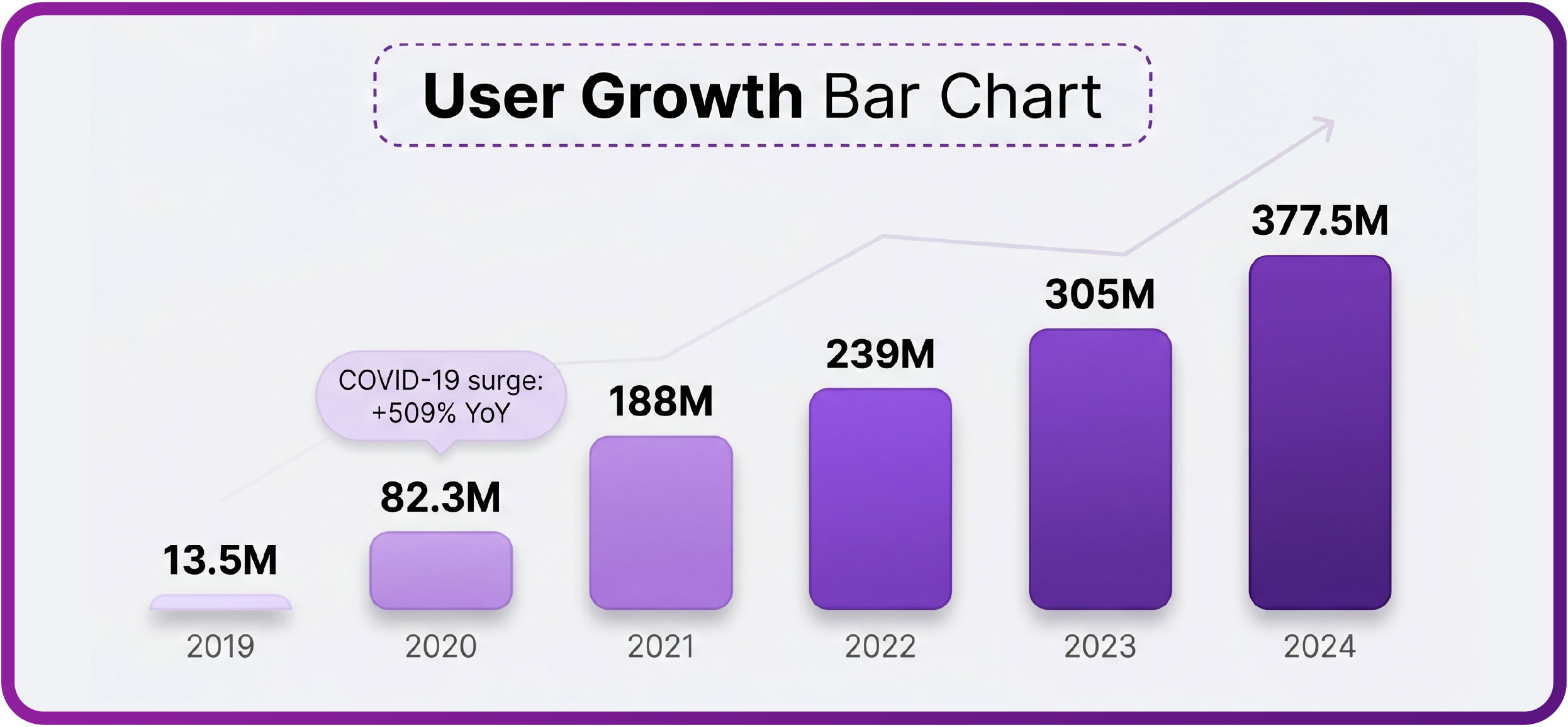
When a creator raises the price, auto-renew stops for existing subscribers, though access continues until the paid period ends. A recent increase is a live change to how your own subscription behaves if you are already inside a billing cycle.
A sudden reduction often signals an attempt to rebuild a shrinking subscriber base, and the low rate may not last. If the drop is paired with no change in posting frequency, the creator is competing on price rather than on output, which is rarely a durable position.
Spotting a Fresh Change
Four indicators usually give a recent adjustment away:
- A date stamp within thirty days, showing the change is not yet seasoned.
- A crossed-out previous price, revealing the direction of the move.
- A new rate label that distinguishes the current figure from historical data.
- Gaps in historical data continuity — if the record suddenly restarts, the card may have lost track of an intervening change.
Interpreting First-Month Discount History
OnlyFans allows promotional first months below the standard $4.99 minimum — a $3 first month is permitted even though a $3 base price is not. The gap between the promotional rate and the standard rate tells you how aggressively the page is chasing new subscribers.
A discount that never expires is a structural problem — the page cannot retain subscribers at full price, so the entry offer becomes permanent furniture.
Five Promotional Patterns
- Perpetual discounts signal retention struggles, since the page never charges its listed rate for long.
- Seasonal promotions indicate planning, with the discount tied to a calendar the creator controls.
- Sudden discount removal suggests confidence that the audience will pay full price.
- Increasing discount depth shows urgency, often after a quiet stretch or a subscriber decline.
- Sporadic discounts reveal an inconsistent strategy, with no clear rhythm behind the timing.
The direction of travel is the key. If discounts have been getting deeper month after month, the listed base price is probably no longer realistic.
Cross-Referencing Price Data with Content Metrics
Price history is only half the picture. A stable price attached to a page that stopped posting three months ago is not a good deal at any rate. Combining price signals with posting frequency and engagement data is where ranking cards earn their place, and it sits at the centre of the BestOnlyFans methodology for judging a page before payment.
If output fell and the price rose anyway, the creator is charging more for less, which is the most common reason subscribers cancel. Comment volume, like counts on posts, and the visible ratio of active subscribers to total followers are rough proxies for engagement quality.
| Price Pattern | Content Signal | Combined Reading |
|---|---|---|
| Stable price | Steady posting frequency | Reliable page, subscribe at listed rate |
| Rising price | Increasing output and engagement | Growth phase, subscribe before next step |
| Falling price | Static or declining posting | Weak position, expect further cuts or exit |
| Volatile price | Irregular posting gaps | Unpredictable, avoid annual commitments |
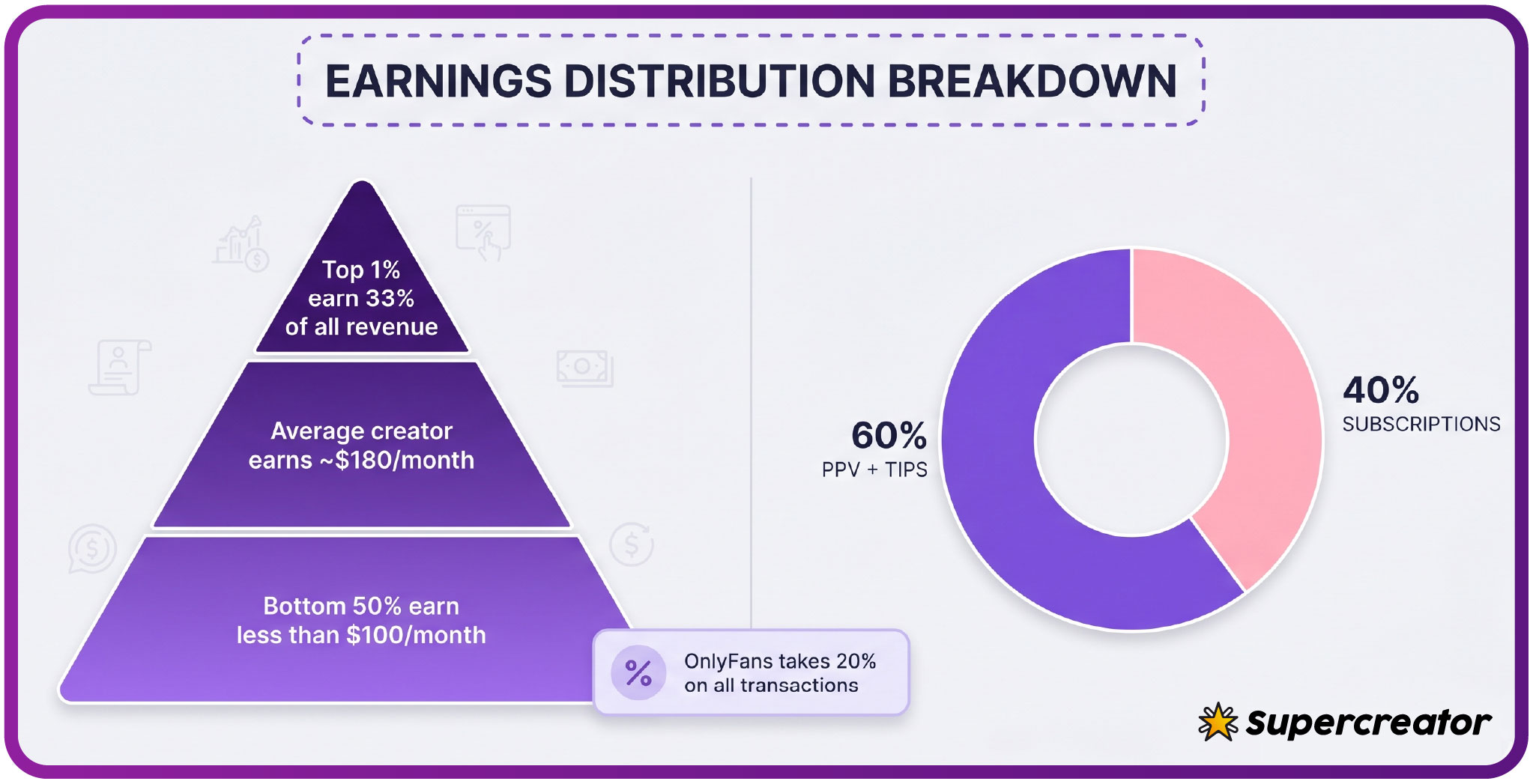
Remember the economics behind the page. OnlyFans takes a 20% platform fee on everything, so the creator keeps 80%. A page charging $5 per month with a small subscriber base earns very little after the cut, which explains why so many creators layer PPV messages and tips on top of the subscription. A ranking card showing a low base price alongside heavy PPV activity describes a page that earns mostly outside the subscription line.
This is also where niche matters. Comparison resources that cover the best only fans milf pages often sort by price stability rather than raw price, because a stable mid-range page usually delivers more value than a cheap page that changes its terms constantly.
Planning Subscriptions Around Price Trajectory
The goal is not to find the cheapest page but to avoid the two expensive mistakes: subscribing just before an increase, and locking into a rate that changes within weeks.
- Subscribe before an anticipated increase when the trend line is upward and output is rising — the current rate is likely the lowest you will see.
- Wait for a promotional window if the page runs a recognizable seasonal discount cycle and you are not in a hurry.
- Avoid pages with recent volatility until at least one full billing cycle has passed at the new rate.
- Track multi-page creators for pattern consistency, since a creator who runs several pages usually applies the same pricing discipline across all of them.
Pay-per-view messages unlock content at up to $50, paid chat commonly runs $3 to $5 per message, and tips can reach $100. A page with a $5 subscription and aggressive PPV messaging can cost far more per month than a $15 page with none.
Limitations of External Price Data
Ranking cards are useful but incomplete. A page that ran a three-day discount may show no trace of it, and a page that briefly raised and lowered its rate may look stable when it was not.
External sites cannot confirm a price directly with the creator, so they rely on observed data and user reports.
A creator may list $9.99 monthly but offer a three-month bundle at a lower effective rate, and the card will show only the monthly figure. If long commitments appeal to you, check the subscription page directly for bundle options the card does not track.

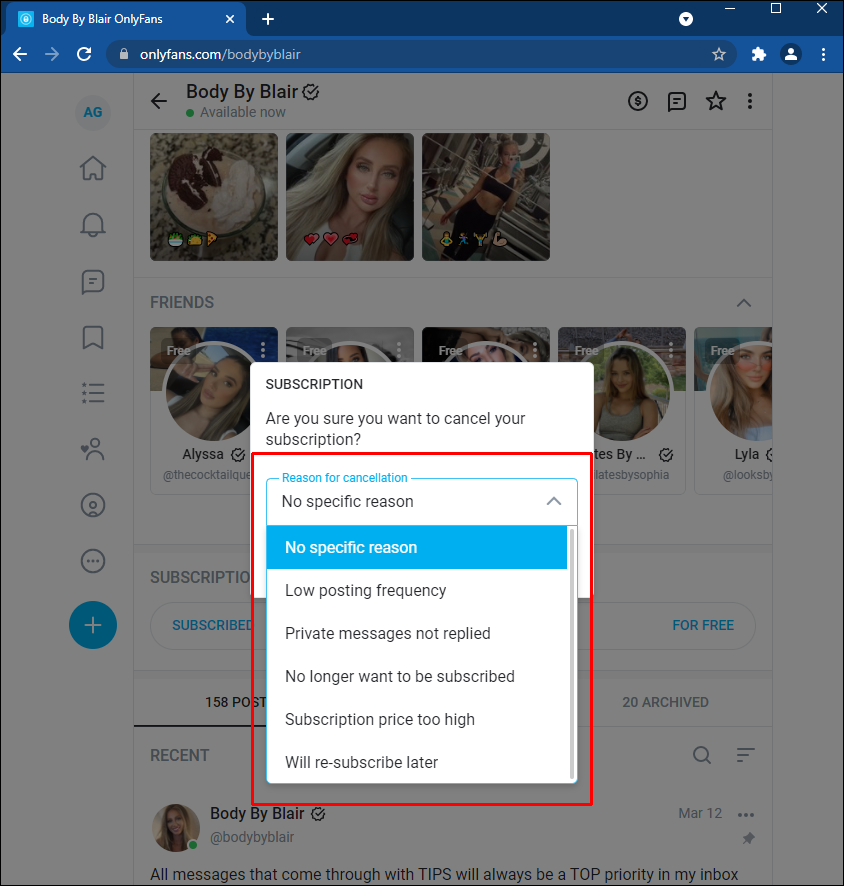
Price data protects your wallet; account security protects everything else, and the two habits belong together whenever you add a new payment method to a new page.
FAQ
How often do ranking cards update their price data?
Popular entries tend to refresh more often than niche ones, but no external site captures changes in real time. Assume any figure could be several days old and confirm the current rate on the subscription page before you pay.
What does a recent price increase suggest about a creator’s plans?
It usually means the creator is testing whether the audience will accept a higher rate, often after a period of growth or increased output. It can also signal that the page is trying to improve revenue per subscriber rather than add new ones.
Can price history predict whether a creator will raise rates again?
Pages with sharp reactive jumps are harder to forecast because the changes are driven by circumstances rather than a plan. A gradual record of one increase per year is easier to project: if the pattern has repeated twice, expect another step at roughly the same interval.
Why might ranking card prices differ from what I see on OnlyFans?
Timing is the main reason. Promotional first-month rates, regional pricing, and the gap between a listed base price and an active discount all create differences.